


Wool vs. Silk vs. Bamboo Silk: Which Rug Material Is Right for You?
Estimated read time: 9 minutes
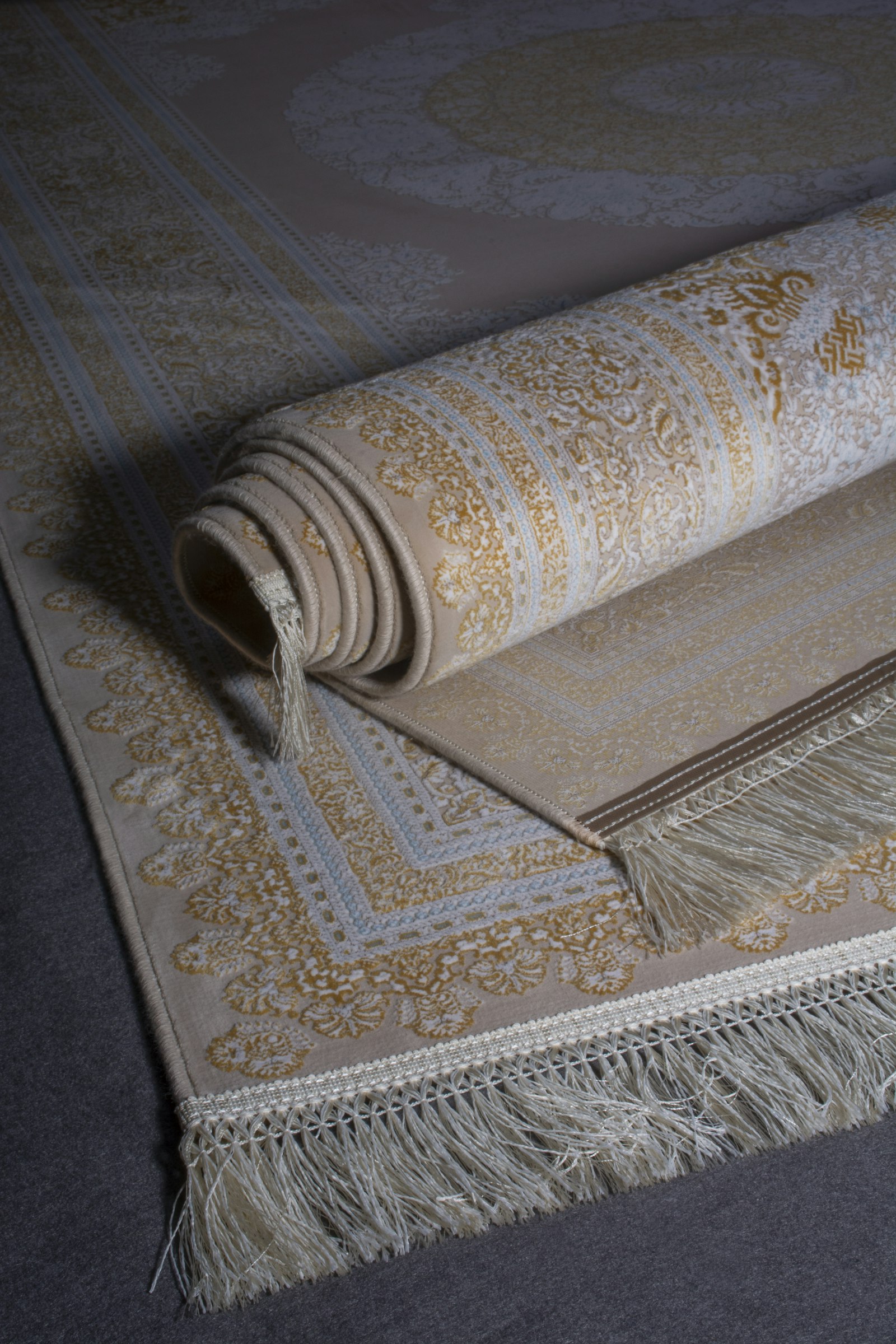
Ask ten rug shoppers what their rug is made of, and nine will say "wool." Ask them why — and most can't answer.
Material is the single biggest factor in how a rug looks, feels, lasts, and costs. A $400 wool rug and a $4,000 silk rug can look almost identical in a photograph. In your living room, they behave like completely different objects.
This is the guide we wish every customer read before they started shopping. By the end, you'll know exactly which fiber fits your room, your lifestyle, and your budget.
The Three Fibers at a Glance
| Wool | Silk | Bamboo Silk | |
|---|---|---|---|
| Source | Sheep | Silkworm cocoons | Bamboo plant (viscose) |
| Feel | Soft, springy, warm | Cool, smooth, fluid | Silky, smooth, slightly cool |
| Shine | Matte to low sheen | Brilliant, color-shifting | High sheen (silk look-alike) |
| Durability | Excellent (20–50+ yrs) | Delicate (decorative use) | Moderate (5–15 yrs) |
| Best room | Living, family, bedroom | Formal, low-traffic | Bedroom, dining accent |
| Price (8×10 handmade) | $1,500–$6,000 | $6,000–$30,000+ | $1,200–$4,000 |
| Cleans easily? | Yes | Professional only | Professional only |
Prices reflect handmade, hand-knotted rugs. Machine-made versions of each can be a fraction of these figures — but they're a completely different product.
Wool: The Workhorse

Wool is the most-used rug fiber on earth for a reason — it does almost everything well.
If you're going to own one handmade rug in your lifetime, it should probably be wool. It's the fiber that built the Persian, Turkish, Afghan, and Moroccan rug traditions, and it's still the standard against which every other material gets measured.
What wool feels like
Springy underfoot. Warm in winter, cool in summer (yes, really — wool insulates both directions). The pile bounces back after you step on it, which is why a good wool rug still looks new after a decade.
The case for wool
- Durable. A well-made wool rug lasts 20–50 years. Hand-knotted Persian wool rugs routinely last over 100.
- Naturally stain-resistant. Wool fibers are coated in lanolin, a natural oil that repels liquids long enough for you to blot up most spills.
- Naturally flame-resistant. Wool self-extinguishes — it won't sustain a flame the way synthetics will.
- Hides dirt. The crimped fiber structure visually masks dust and small debris between cleanings.
- Holds dye beautifully. Wool absorbs natural and synthetic dyes evenly, giving deep, lasting color.
- Insulates sound and temperature. Quiets a room and adds warmth in cold months.
The case against wool
- Sheds initially. A new wool rug will shed loose fibers for the first 3–6 months — totally normal, but if you don't expect it, it can be alarming.
- Can feel scratchy if low quality. Cheap wool from over-bred sheep or coarse breeds feels rough. Look for New Zealand or Ghazni wool for the softest hand.
- Vulnerable to moths. Real wool is a natural fiber and moths love it. Vacuum regularly and rotate the rug.
- Heavier. A 9×12 wool rug can weigh 60–100 lbs, which matters for cleaning and moving.
Who wool is right for
Families with kids and pets. High-traffic living rooms. Anyone who wants a rug that looks better with age and forgives real life. If you're buying your first quality rug, start here.
Pro tip: Not all wool is equal. Ghazni wool (from Afghanistan) is hand-spun, lanolin-rich, and considered the gold standard for hand-knotted rugs. New Zealand wool is bright, soft, and bleaches white beautifully — ideal for light, modern colorways.
Silk: The Showpiece
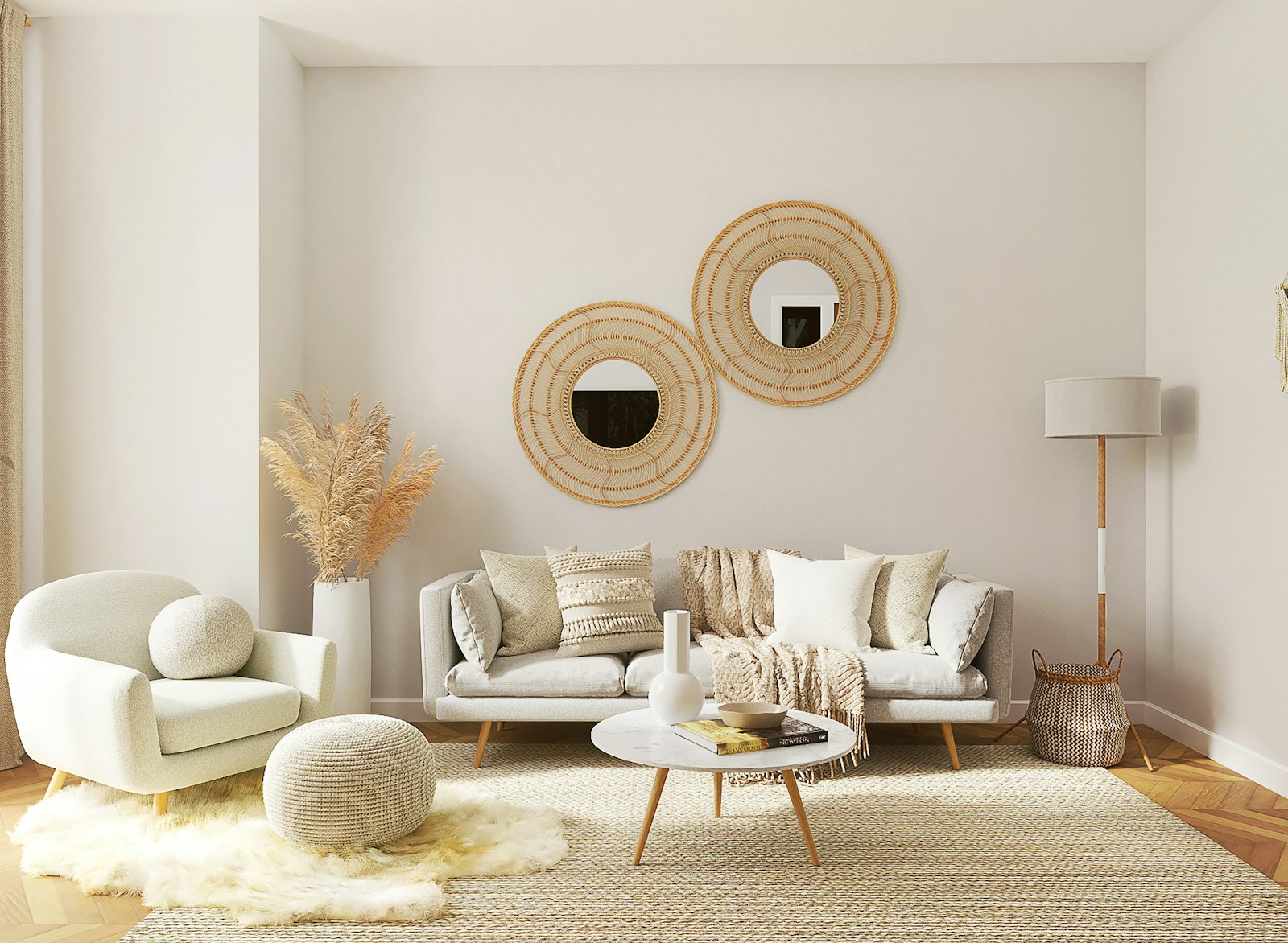
Silk rugs literally change color as you walk around them — a quality no other fiber can match.
Silk is the opposite of wool in almost every way. Where wool is rugged and forgiving, silk is precise and delicate. Where wool is a workhorse, silk is a Stradivarius. Pure silk hand-knotted rugs from Qum, Hereke, or Kashmir are among the most valuable textiles on earth, with knot counts that can exceed 800 per square inch.
What silk feels like
Cool, smooth, almost liquid. The fiber is so fine that designers can pack more knots per square inch than any other material, which means silk rugs can render detail — faces, calligraphy, hairline tendrils — that wool simply can't.
The case for silk
- Unmatched sheen. Silk reflects light along the fiber, so the rug shifts color depending on the direction you view it from. Walk across the room and watch the colors shimmer.
- Extreme detail. Silk's fine fiber allows knot counts of 500–1,200 KPSI (knots per square inch). For comparison, fine wool tops out around 300 KPSI.
- Lightweight. Even an 8×10 silk rug is surprisingly easy to lift and move.
- Investment value. Antique and high-quality silk rugs appreciate — some Qum silks have doubled in value over 20 years.
- Statement piece. A single silk rug can anchor an entire room's design.
The case against silk
- Fragile under foot traffic. Silk shows wear quickly. Heavy use flattens the pile and dulls the sheen.
- Water = damage. Even small spills can leave permanent rings. Pets and toddlers don't mix with silk.
- Direct sunlight fades it fast. UV light weakens silk fibers and bleaches the dye.
- Professional cleaning only. Never DIY — home cleaners will destroy a silk rug.
- Expensive. A real hand-knotted silk rug starts at four figures and runs into five and six.
Who silk is right for
Formal living rooms, dining rooms used only for entertaining, master bedrooms, hung as wall art, or as collector pieces. Silk is the right choice when the rug is meant to be admired more than walked on. Not for stairs, hallways, kids' rooms, or homes with pets.
Buyer beware: Many "silk" rugs sold cheaply online are actually art silk — a marketing term that usually means viscose or bamboo silk. Real mulberry silk passes the burn test (it smells like burnt hair, leaves brittle ash). If a deal feels too good to be true, it usually is.
Bamboo Silk: The Modern Middle Ground

Bamboo silk delivers most of silk's visual punch at a fraction of the cost — with real trade-offs.
Bamboo silk — also called bamboo viscose, art silk, or rayon — is a regenerated cellulose fiber made from bamboo pulp. It's not silk at all, technically. It's a plant-based fiber engineered to look like silk: high sheen, smooth hand, fluid drape.
Over the past decade it's become one of the most popular materials in contemporary rugs, especially in blends with wool. And it's where most of the confusion in the rug industry lives.
What bamboo silk feels like
Soft, cool, and noticeably smoother than wool. To the touch, it's surprisingly close to real silk — which is the whole point. The sheen is brighter and more uniform than wool, almost glassy.
The case for bamboo silk
- Silk look at wool prices. A bamboo silk rug can cost 70–90% less than a comparable mulberry silk rug.
- Modern aesthetic. The high sheen suits contemporary, abstract, and minimalist designs beautifully.
- Soft to the touch. Pleasant under bare feet — great in bedrooms.
- Plant-based. Renewable raw material; sustainable when produced responsibly.
- Common in blends. Many of the most beautiful contemporary rugs use bamboo silk highlights woven into a wool base, getting the best of both fibers.
The case against bamboo silk
- Not actually silk. Despite the name, this is a manufactured cellulose fiber. It doesn't share silk's strength or longevity.
- Stains easily and permanently. Water marks are the #1 complaint — even a drop of water can leave a visible ring.
- Yellows over time. Bamboo silk can develop a yellow cast after years of UV exposure, especially in lighter colors.
- Crushes under traffic. Loses its sheen and pile resilience in 5–10 years of heavy use.
- Professional cleaning required. DIY methods almost always make stains worse.
- Sometimes mislabeled. The terms "art silk," "bamboo silk," "banana silk," and "faux silk" all describe similar viscose fibers. Buyers often think they're getting real silk.
Who bamboo silk is right for
Low-traffic rooms where you want visual punch — master bedrooms, formal sitting rooms, or as an accent in a wool-bamboo silk blend rug. Excellent for buyers who love the look of silk but live a real life and can't justify (or risk) the real thing.
Smart compromise: Look for wool + bamboo silk blends. A typical blend is 70% wool, 30% bamboo silk — the wool provides structure and durability while the bamboo silk creates highlights and sheen in specific motifs. This is the sweet spot for most modern living rooms.
How to Decide: A Simple Decision Tree
If you remember nothing else from this guide, remember this:
- Will the rug be walked on daily, by kids, pets, or both? → Wool. Don't overthink it.
- Is this a formal room used only for special occasions? → Silk, if budget allows. Otherwise, a wool-bamboo silk blend.
- Bedroom rug, mostly bare feet, no spills? → Bamboo silk or a wool blend. Both feel amazing.
- Want the silk look but the wool reliability? → Wool + bamboo silk blend. This is what most contemporary designer rugs are.
- Investment piece or wall art? → Pure silk, hand-knotted, with provenance.
- Hallway, stairs, or entryway? → Wool only. Anything else will fail.
What About Cotton, Jute, and Synthetics?
Three honorable mentions that come up in rug shopping:
- Cotton is usually the foundation (warp and weft) of a hand-knotted rug, not the pile. Pure cotton rugs (flat-weave dhurries, kilims) are great as casual, washable accent pieces but won't last like wool.
- Jute and sisal are plant fibers with a coarse, natural look. Affordable and eco-friendly, but rough underfoot and difficult to clean.
- Synthetic (polypropylene, polyester, nylon) rugs are machine-made, cheap, and stain-resistant — great for porches, basements, and rentals, but they don't age, they wear out. A synthetic rug is a 3–5 year disposable item, not a piece of decor.
The Honest Bottom Line
For 90% of homes, the right answer is hand-knotted wool — possibly with bamboo silk highlights for visual interest. Pure silk rugs are extraordinary, but they're for specific situations and specific buyers. Bamboo silk is gorgeous and accessible, but treat it like the delicate material it is.
A great rug isn't the most expensive one. It's the one that fits how you actually live.
Need Help Choosing?
Still not sure which fiber suits your space? Tell us about your room — traffic level, kids, pets, lighting — and we'll recommend the right material (and a few specific rugs) at no cost.
📞 (201) 552-2733
📧 Info@Arshs.com
Or browse our hand-knotted collection to see wool, silk, and bamboo silk pieces side by side.
Previously in this series: How to Pick the Right Rug Size for Your Living Room
Next in this series: Hand-Knotted vs. Hand-Tufted vs. Machine-Made — What Are You Actually Paying For?
- Choosing a selection results in a full page refresh.


