


How to Pick the Right Rug Size for Your Living Room
Estimated read time: 6 minutes
Buying a rug shouldn't feel like a math problem. But scroll any rug website and you're hit with numbers — 5x7, 8x10, 9x12. What do they actually mean for your room?
After 30+ years of helping families pick rugs at Arsh's, we'll tell you the truth: most people buy a rug that's too small. A rug that's even one foot short can make a beautiful room feel cramped, off-balance, and unfinished.
This guide walks you through exactly how to choose the right size — no design degree required.
Step 1: Measure Your Room First
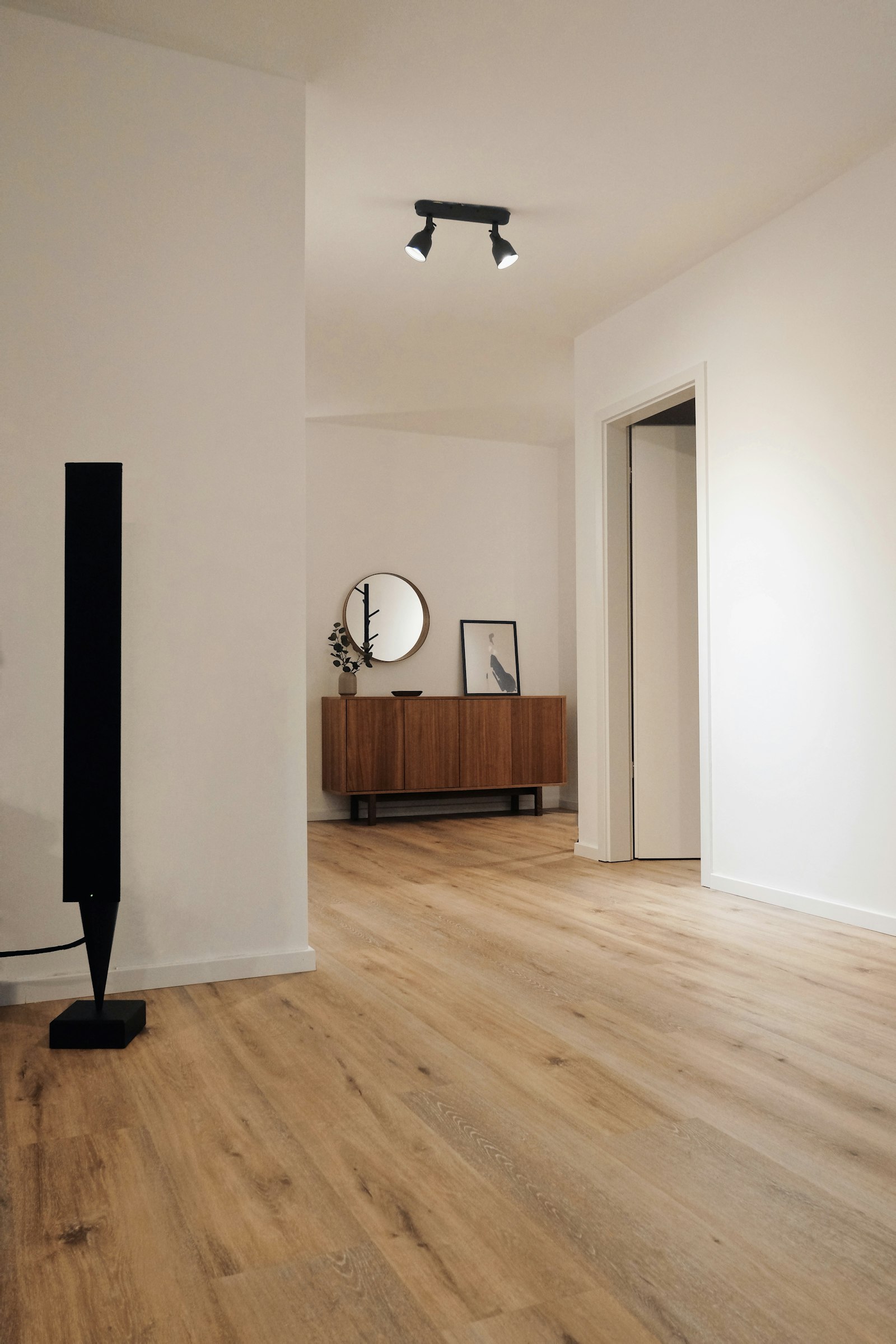
Start with the room, not the rug. Always measure wall-to-wall first.
Before you fall in love with a rug online, grab a tape measure.
Measure the length and width of your living room — wall to wall. Write it down. Then subtract about 2 to 3 feet from each side. That's your maximum rug size.
A rug should never touch the walls. You want at least 12 to 18 inches of bare floor showing around the edges. That border is what makes a room feel intentional instead of carpeted.
Quick math: A 14' × 18' living room → ideal rug is around 9×12 or 10×14. A 12' × 15' room → 8×10 is your sweet spot.
Step 2: Pick One of the Three Classic Layouts
There are really only three ways to place a living room rug. Look at your furniture and pick the one that fits your space and budget.
Layout 1: All Legs On — The Luxe Layout
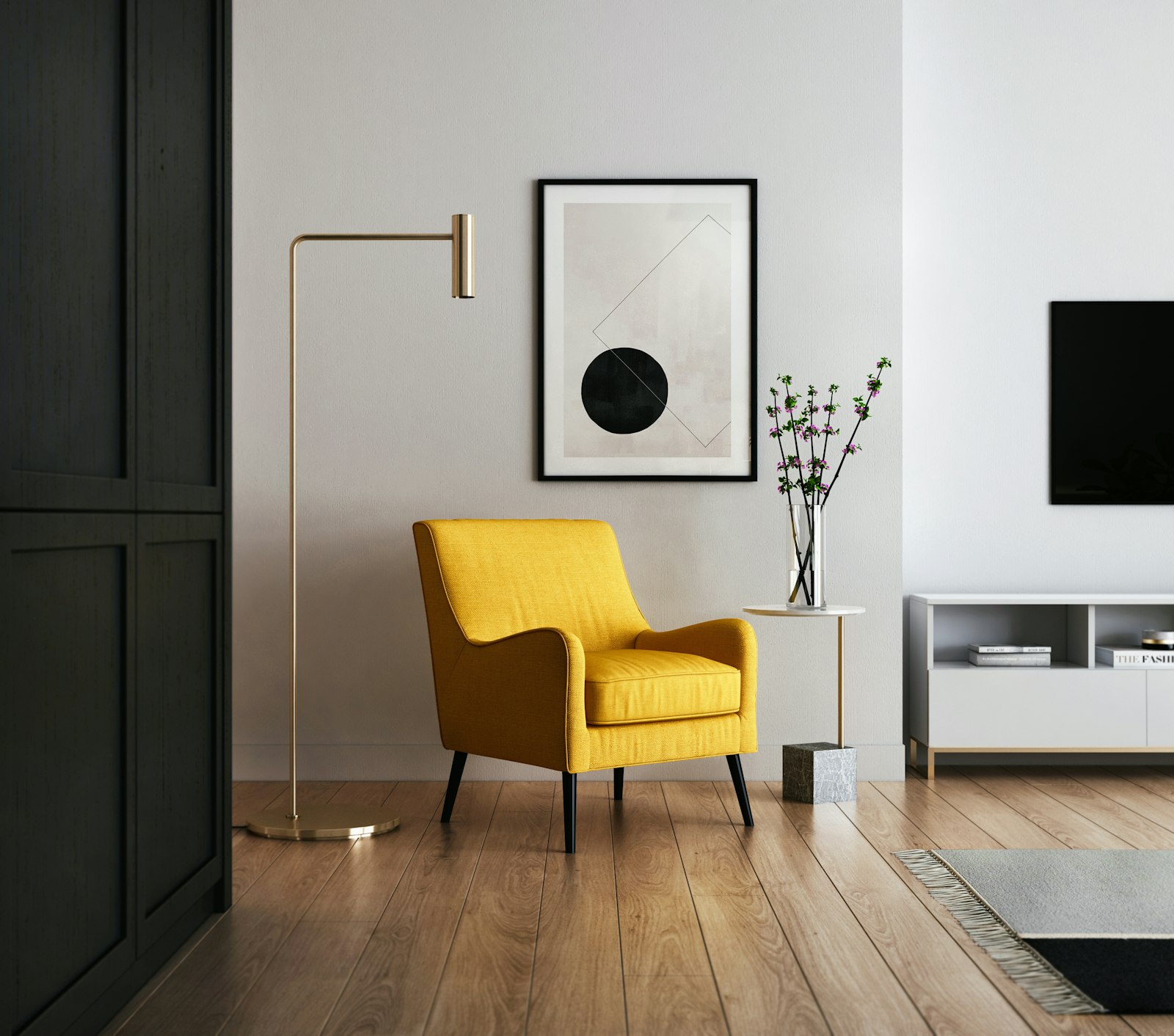
Every leg of your sofa, chairs, and coffee table sits on the rug. The rug acts like an island that anchors the whole seating area.
- Best for: Large living rooms, open-concept spaces, formal layouts
- Rug size needed: 9×12, 10×14, or larger
- Pro tip: Leave at least 6 inches of rug visible beyond the back of your sofa
Layout 2: Front Legs On — The Most Common
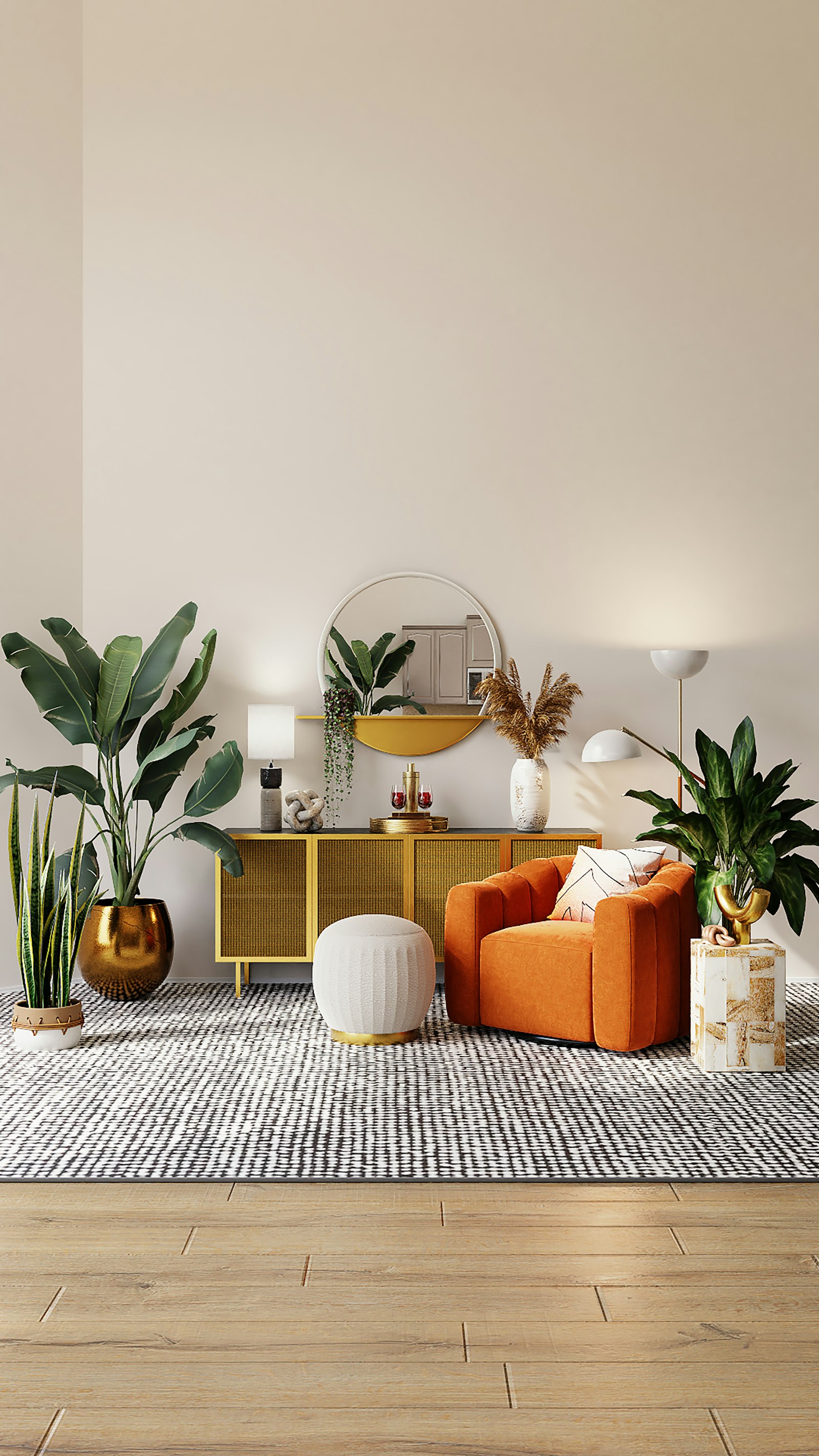
Only the front legs of your sofa and accent chairs rest on the rug. The back legs sit on the bare floor.
- Best for: Medium-sized living rooms, most homes
- Rug size needed: 8×10 is the workhorse here; 9×12 if your sofa is large
- Pro tip: This is the budget-friendly sweet spot — it visually connects your furniture without requiring an oversized rug
Layout 3: Floating — The Smallest Layout
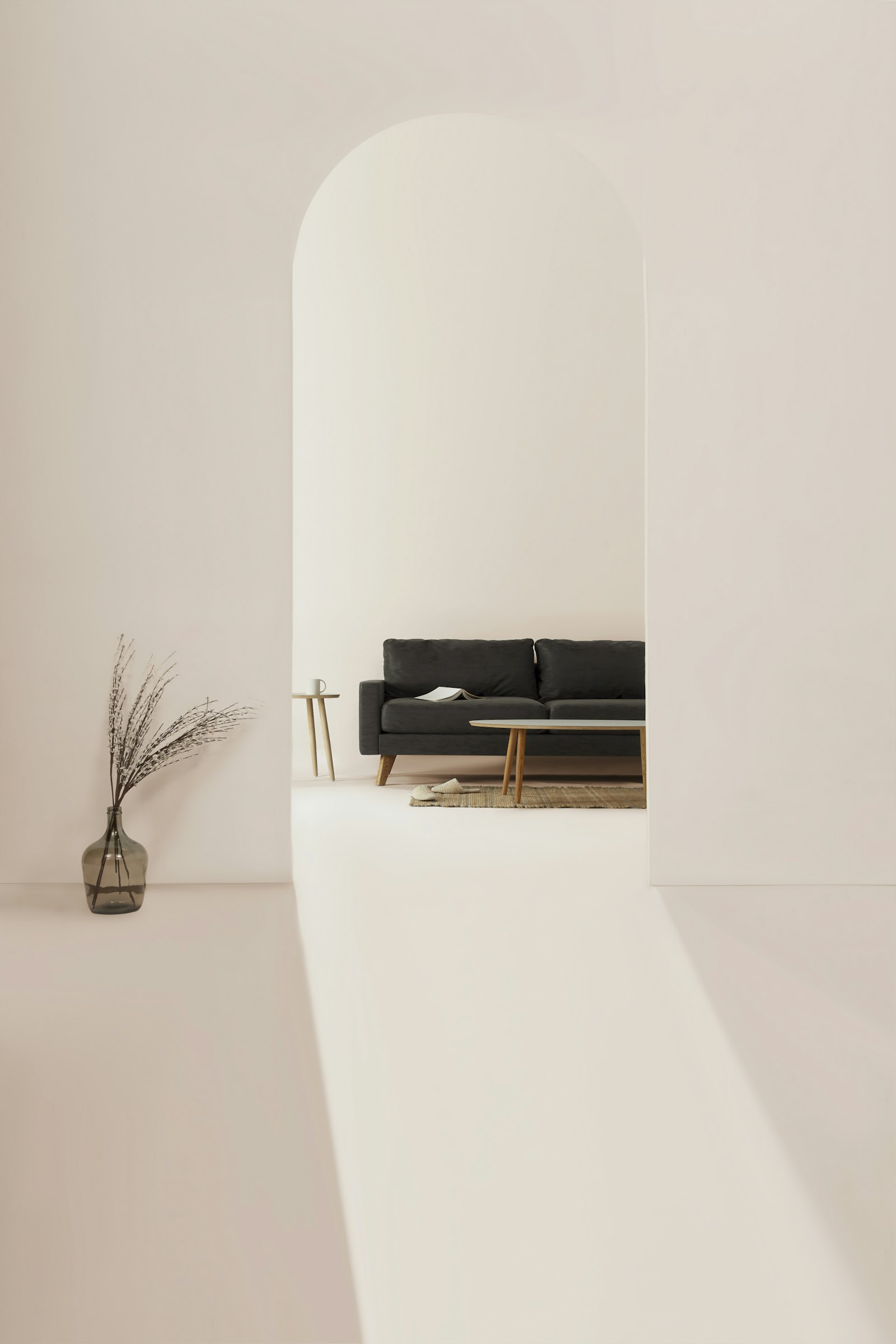
The rug sits in front of the sofa, with no furniture legs on it. Just the coffee table.
- Best for: Small rooms, apartments, casual setups
- Rug size needed: 5×7 or 6×9
- Watch out: If the rug is smaller than your coffee table's footprint plus 12 inches on every side, it'll look like a bath mat. When in doubt, size up.
Step 3: Match the Rug to the Sofa
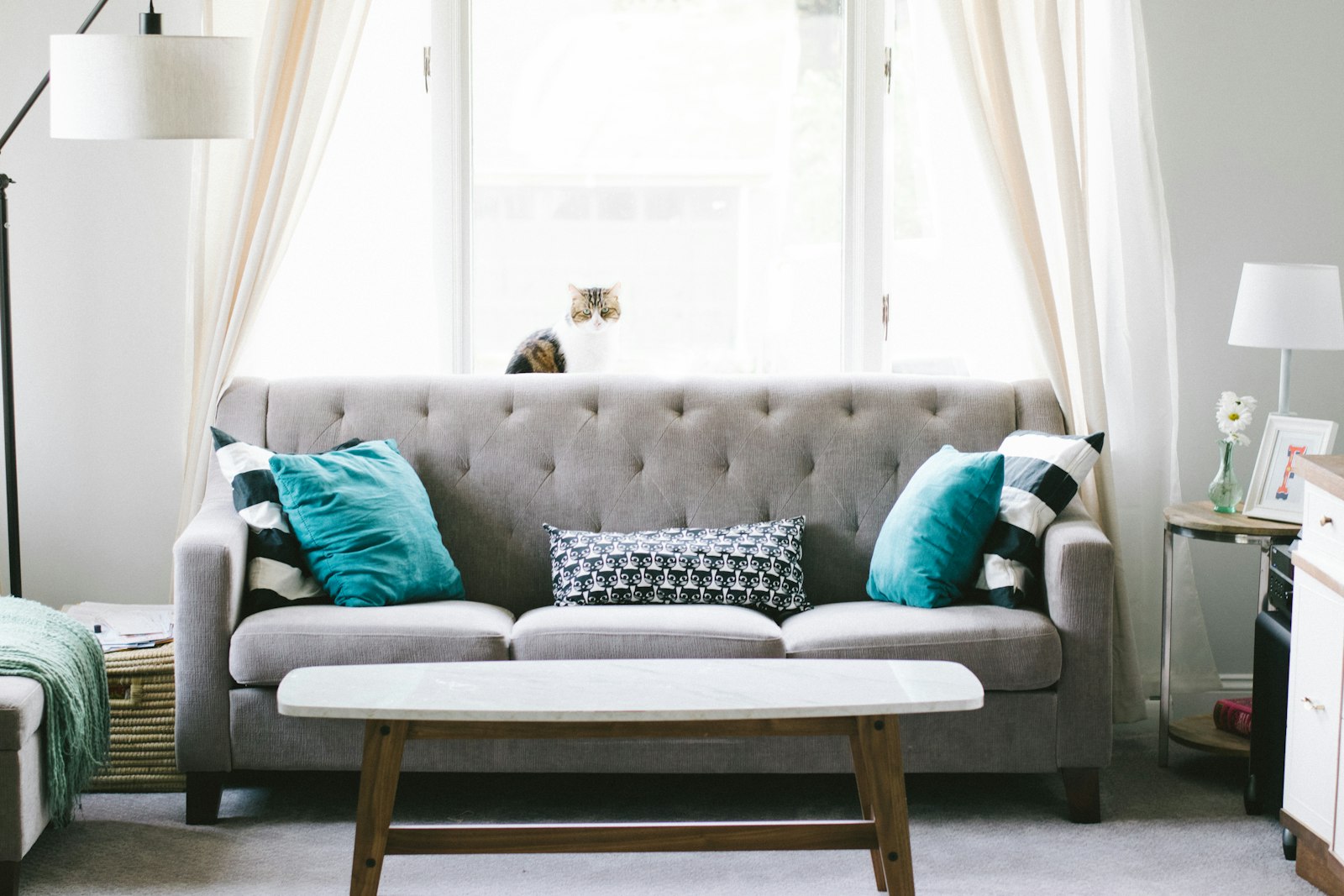
The rug should always be wider than the sofa — never narrower.
Here's a rule almost no one tells you: your rug should be wider than your sofa. Ideally, at least 6 to 12 inches wider on each side.
A 7-foot sofa needs at least an 8-foot-wide rug. A 9-foot sofa really wants a 10-foot rug. When the rug is narrower than the sofa, your eye reads the whole arrangement as "off." It looks like the rug shrank in the wash.
Step 4: Check the Walking Path
Walk through your room the way you actually use it. Coming in from the hallway? Heading to the kitchen?
If a walking path crosses the rug, the rug should extend at least 4 inches under your foot at every step. No one wants to half-step on and off a rug all day — and it'll curl at the corners within a year.
Quick Reference: Size by Room
| Living Room Size | Recommended Rug | Best Layout |
|---|---|---|
| 10' × 12' (small) | 5×8 or 6×9 | Floating or front legs on |
| 12' × 15' (medium) | 8×10 | Front legs on |
| 14' × 18' (large) | 9×12 | All legs on or front legs on |
| 16' × 20'+ (oversized) | 10×14 or 12×15 | All legs on |
The #1 Mistake to Avoid
Buying a 5×7 for a room that needs an 8×10. It's the most common mistake we see — usually because smaller rugs are cheaper and the room "looked smaller in the photos."
When in doubt, size up. A slightly oversized rug looks intentional. A too-small rug looks like a mistake.
Real Rooms, Real Rugs
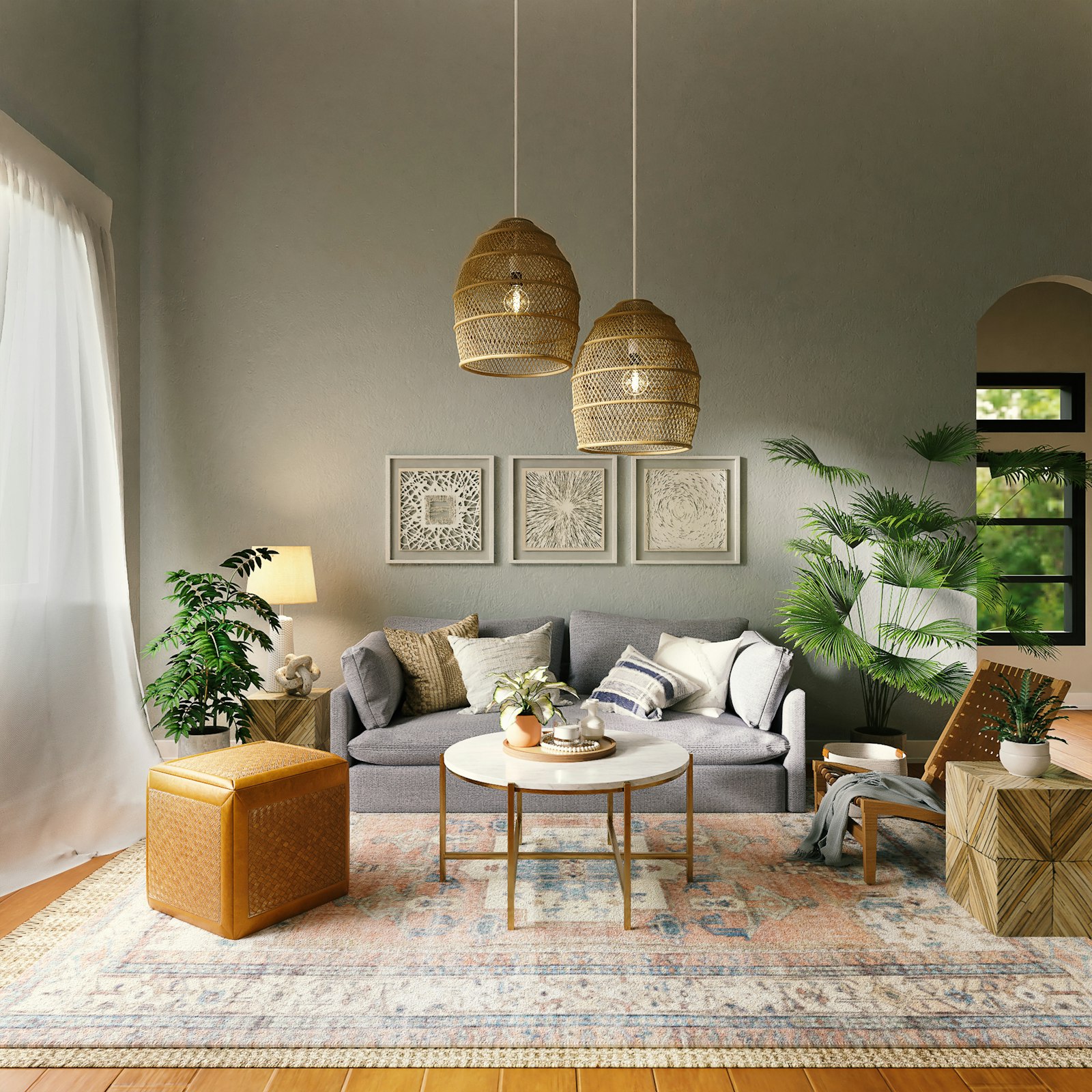
A traditional Persian-style rug grounds a warm, classic living room — front legs on, 8×10.

A Moroccan Berber-style rug in a 9×12 — all legs on — works in modern and transitional spaces.
Still Not Sure? We'll Help You Pick
If you've measured your room and you're still on the fence, that's what we're here for. Send us a photo of your space and your measurements — we'll recommend a size (and a few rugs that would work) at no cost.
📞 (201) 552-2733
📧 Info@Arshs.com
Or browse rugs by size once you know what you need.
Next in this series: Wool vs. Silk vs. Bamboo Silk — Which Rug Material Is Right for You?
- Choosing a selection results in a full page refresh.


